

 Share This

At a time when health care is increasingly complex and fragmented, and unreliable information is ubiquitous, the most important thing each of us can do to stay healthy is to have a primary care physician. Primary care is general, whole-person care provided by family physicians, general internists and pediatricians who know you well and whom you trust.
As a family medicine physician, my patients come to me for a variety of reasons. They may be concerned about symptoms they can’t explain, need help managing chronic illnesses such as diabetes, or want a mole checked or an arthritic knee injected. They may have concerns about sleep, stress, smoking, diet, exercise, depression, or anxiety. We also address the screenings, vaccines and other preventive health steps and behaviors that will help them to stay their healthiest selves.
It’s a critical relationship that may only require a few hours each year, but the value and payoff can be immense and lifesaving.
As described by internationally revered health services researcher, professor and pediatrician Dr. Barbara Starfield, high-quality primary care is built on four key principles, the 4Cs: First Contact, Continuity, Comprehensiveness, and Coordination. These principles work together to provide individuals with a much better overall health experience.
First Contact
I think of primary care as the front porch of health care, where all are welcome. It’s where you can bring all but emergent health issues first. Not only can most health issues be managed effectively in a primary care setting, either in person or virtually, but seeking care in a primary care practice versus a busy emergency department or urgent care facility can save you stress, frustration and money.
Continuity
Having a regular site of care is valuable because, with repeated interactions, your doctor gets to know you better and more completely. Continuity builds trust. And when you trust us with your concerns, we can help prevent minor health issues from becoming big ones. We can also be an effective advocate amid a major health event. For those of us who remember the sitcom Cheers, your primary care home should be the place where everybody knows your name.
Comprehensiveness
High-quality primary care practices offer a comprehensive approach to health, encompassing lifestyle counseling, prevention/screening activities and diagnosis and treatment of both acute and chronic conditions.
Today, primary care truly is a team sport. Our primary care team at AHN includes behavioral health counselors, pharmacists, nurse practitioners, physician assistants, registered dieticians, social workers, registered nurses, health coaches and medical assistants who work collaboratively with the physician to provide a holistic, comprehensive approach to care.
Coordination
Think of your primary care physician as the team quarterback or the orchestra conductor. Our role is to coordinate all the care a patient needs within the practice, or with other specialists when medical conditions or injuries require additional input and treatment. Our focus is to ensure that the team works together effectively to always provide you with the right care and the right resources at the right time.
Unfortunately, despite all of the well documented benefits of primary care, nearly a third of Americans have no primary care provider and many who do have a primary care physician do not visit them regularly. The reasons vary but, in general, those who are healthy and feel well tend not to prioritize the primary care relationship. This is particularly true for younger adults — just under 50% of adults under age 40 have a primary care physician. Others may lack health insurance and/or convenient access to primary care given busy schedules.
Another contributing factor is a national shortage of physicians specializing in family medicine and general internal medicine, which ultimately can make it difficult in some communities to find a primary care physician with capacity for new patients.
Fortunately, the percentage of adults who regularly visit a primary care physician is believed to be higher across AHN’s service area throughout western Pennsylvania. Our region boasts excellent training programs, and we have been very successful in keeping many of those physicians based here when their training is complete. With every additional primary care physician, we have a great opportunity to improve health in our community.
To achieve this goal, however, primary care physicians, health systems and insurers must continue to work together to deliver more flexible, comprehensive and affordable primary care solutions. It is equally important to continually educate the public about why having a primary care physician is so important to everyone’s health and well-being.
For more of Dr. Crawford-Faucher’s insights on primary care, listen to this episode of the Medical Frontiers podcast!
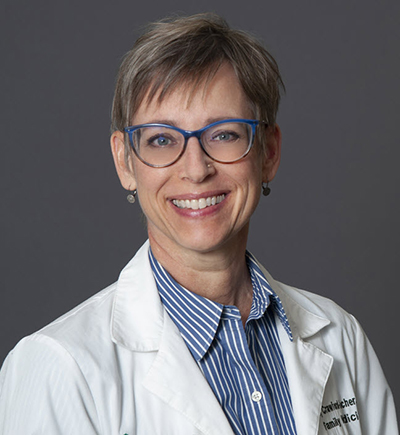 Dr. Amy Crawford-Faucher is chair, AHN Primary Care Institute and a practicing family physician.
Dr. Crawford-Faucher previously served as vice chair of the AHN Primary Care Institute and vice chair of the Department of Family Medicine, overseeing the strategic operations, programmatic integration, and growth of over 100 primary care offices. Her responsibilities included the ongoing quality and performance evaluation of the network's 400+ primary care and family medicine clinicians and their support teams, as well as direction of the AHN/Highmark Health Employee Health department.
Prior to these roles, Dr. Crawford-Faucher served as residency director and medical director of AHN's Forbes Family Medicine Residency program, and director of medical care for UPMC's Western Psychiatric Hospital. Originally from rural upstate New York, she graduated from Cornell University and the Medical College of Pennsylvania (now Drexel University). She completed residency at VCU Fairfax Family Practice and a faculty development fellowship at Virginia Commonwealth University.
Dr. Crawford-Faucher serves on the board of directors of the Family Medicine Education Consortium, and in 2012 received the Exemplary Teaching Award from the Pennsylvania Academy of Family Physicians.


Highmark Health and its subsidiaries and affiliates comprise a national blended health organization that employs more than 42,000 people and serves millions of Americans across the country.
Entire contents © Highmark Health. All Rights Reserved.
Highmark Health is an independent licensee of the Blue Cross Blue Shield Association.

 Need to find info about providers, prescriptions, coverage, claims, ID cards, or health spending or savings accounts? If so, your Highmark member site is the place to go. (It’s separate from this blog.)