

 Share This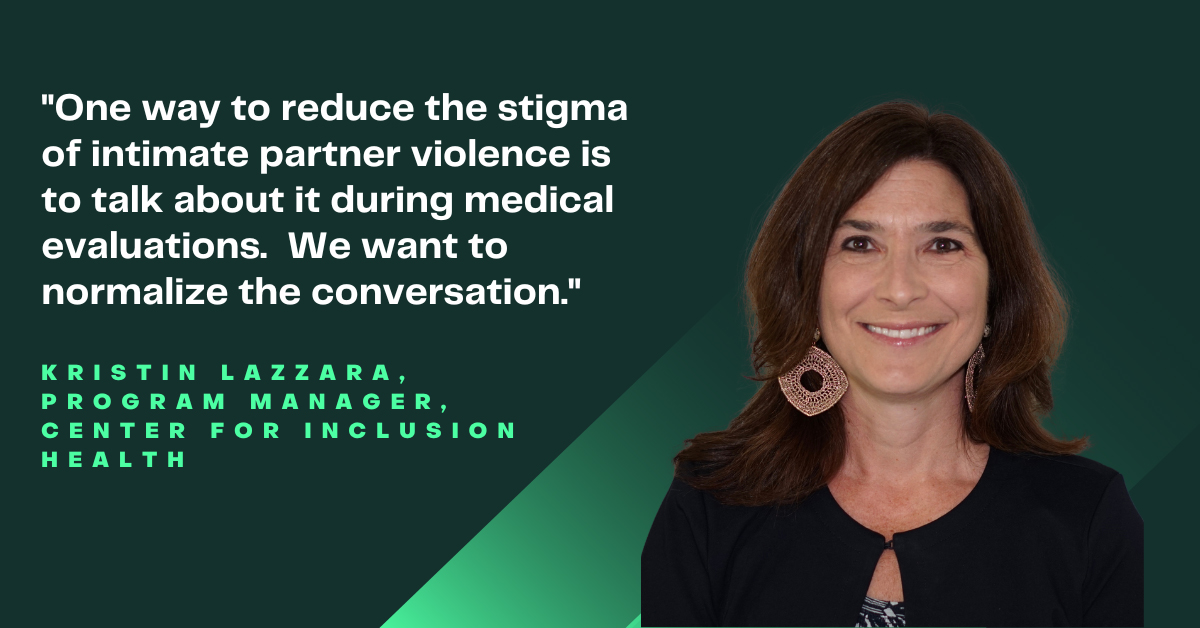
Intimate partner violence, or domestic violence, can affect anyone, regardless of gender, sexual orientation, race, nationality, religion, age, or community. It is a suburban, rural, and city problem that spans all socioeconomic levels and exists along a spectrum of acuity that, in extreme cases, can result in death.
Since 2018, Allegheny Health Network (AHN) has had an Intimate Partner Violence Program within its Center for Inclusion Health to support individuals experiencing domestic violence. The program is anchored by a partnership with Crisis Center North, a Pittsburgh-based counseling and resource center.
“It makes perfect sense to have Crisis Center North onsite at AHN,” says Kristin Lazzara, program manager. “Sometimes, the only safe place to go is a health care entity.”
Hilary O’Toole, assistant director of Crisis Center North, says conversations about intimate partner violence are important, but we’re not having enough of them. In our interview, Lazzara and O’Toole talked about domestic violence warning signs, overcoming stigma, available resources, and more.
Emily Adamek: What are different types of intimate partner violence?
Hilary O’Toole: Intimate partner violence or domestic violence doesn’t necessarily mean physical violence. It can mean emotional abuse, financial abuse, verbal abuse — and really anything that prevents someone from taking care of themselves.
Kristin Lazzara: Within the Intimate Partner Violence Program, we treat everything across the full spectrum of acuity. It’s not only people presenting in the emergency room with violent injuries, sometimes someone is in an unhealthy relationship without realizing it. When they engage with our doctors, they may begin to realize that something isn’t right and seek help.
Emily Adamek: What are the warning signs of intimate partner violence?
Hilary O’Toole: First, no one should ever put their hands on you. Additionally, one of the broader warning signs is an attempt to control. That could be someone taking your phone, searching through it, questioning you, wanting your passcode — they may use that information to make you uncomfortable or feel like you’ve done something wrong. Typically, a next step may be taking your wallet or trying to control your money. That’s a big red flag.
Emily Adamek: Is domestic violence passed on from generation to generation?
Hilary O’Toole: Absolutely. Often, if you were a child in a home where there was domestic violence, these things become normalized. When you grow up, it’s hard to break that cycle of violence because you’re so used to seeing it at home. That’s when we need to start talking about healthy relationships and what they look like.
Emily Adamek: What are the long-term effects of intimate partner violence?
Kristin Lazzara: It can lead to long-term trauma and post-traumatic stress disorder (PTSD), depression and anxiety. Abuse can also affect someone’s perception of their own body, leading to unhealthy eating patterns or eating disorders.
Additionally, physical or sexual violence is linked to long-term health problems like chronic pain, migraines, stress and asthma, to name a few. The impact goes into other areas of life as well — for example, if someone has been controlling your money for many years, you may need to learn how to balance a checkbook.

Crisis Center North offers group counseling sessions to connect clients facing intimate partner violence.
Emily Adamek: How does AHN work with Crisis Center North to provide support to individuals impacted by intimate partner violence?
Kristin Lazzara: We’re bringing the program support to them within the health system, so it’s not waiting for someone to reach out to us or call a crisis hotline. That’s unique — not just to our region, but nationally.
Screening can be incorporated into every visit — whether at the hospital or outpatient settings. Through our social determinants of health assessment, we ask questions like, ‘Are you afraid of anyone close to you?’ and ‘Have you ever been hit, slapped, punched or kicked?’ Without assessing individuals at their appointment, referrals would not be possible.
Hilary O’Toole: If we can engage with them while they’re at AHN, we have a better opportunity to make an impact. Once they leave, they may have more obstacles or change their minds about getting help. Within the system, engagement can also start with someone they already trust, such as their primary care provider. Our onsite partnership means that a person doesn’t need to make a separate phone call or go elsewhere and have to retell their story.
Emily Adamek: What services does Crisis Center North offer?
Hilary O’Toole: Safety planning is our number one goal, but our services run the gamut and are highly individualized. We spend a lot of time getting to know the person. It’s important to remember that they know their perpetrator and situation better than anyone. For example, if they’re being financially abused or children are involved, it may not be possible to “just leave.”
If someone isn’t ready to leave the relationship or can’t, we offer free counseling. So, when they show up for their doctor’s appointment, they can receive counseling in that same building on that same day. We also offer group sessions to connect clients.
If they’re ready to leave, we can help with re-housing or relocation funds — potentially get them first month’s rent and security deposit, help them find somewhere to go, offer transportation, a new phone, moving costs, and legal services. We can also walk them through something like a protection from abuse (PFA) order. Once we know they’re safe, we can talk about other goals they’d like to achieve.
Ultimately, it depends on how dangerous their perpetrator is. If it’s a high lethality case — meaning someone is at higher risk of being murdered — we want to get them into a hotel or a shelter as soon as possible.
Emily Adamek: How do you assess if a case is high lethality?
Hilary O’Toole: We ask questions like has this person ever strangled you? Have they threatened the children? Do they own a weapon? The police in our region have been very supportive of using the lethality assessment as well.
Emily Adamek: What barriers prevent individuals from getting the care they need?
Kristin Lazzara: Transportation is a big one. Getting time off work to go to an appointment is difficult too, especially if they have childcare responsibilities. Stigma, of course, is another huge barrier.
Emily Adamek: Where does the stigma surrounding domestic violence come from?
Hilary O’Toole: Stigma stems from many different places, including media. As a society we don‘t support domestic violence, and yet we see athletes, movie stars, and other public figures engaging in it without consequences.
I also think people who go through this are embarrassed. They feel like they should have known better or should have seen the warning signs. But sometimes, you’re in a relationship and it's evolving quickly, and by the time you realize there’s a problem, they have control of your funds or your lives are just too interwoven.
Emily Adamek: How do we combat stigma?
Kristin Lazzara: One way to reduce the impact of stigma is by talking about intimate partner violence during medical evaluations. It’s helpful to just ask people questions and let them know that there are professionals onsite who they can talk to. We want to normalize the conversation.
Emily Adamek: Does the Center for Inclusion Health’s program do outreach and education for clinicians?
Kristin Lazzara: Yes, we do regular education at staff meetings. We started with women’s health, labor and delivery, and primary care because they seem to be the most impacted, and we’re branching out to other areas. We also do annual training for social workers and the emergency department (ED), teaching them how to recognize and respond to domestic violence cases. The nurse navigators for the AHN Cancer Institute have us come to their annual training, too.
Emily Adamek: You mentioned labor and delivery — is domestic violence more prevalent during pregnancy?
Hilary O’Toole: Yes, because the perpetrator loses a sense of control. Domestic violence affects approximately 325,000 pregnant women each year, making it more common than preeclampsia and gestational diabetes. Since most pregnancies involve some sort of prenatal care, it’s a good time to assess for intimate partner violence.
Emily Adamek: Can you talk a little about how support might play out during an emergency department visit?
Hilary O’Toole: If symptoms or signs of domestic violence are identified during an emergency department visit, Crisis Center North has a licensed counselor or advocate onsite who can respond immediately. The ED physician doesn’t have to try to fill that role — we’re there for patients as well as to support the ED staff.
Kristin Lazzara: One of our goals is to interrupt the cycle of violence well before people end up in an emergency room. But I’ll just add that when Crisis Center North responds to an acute situation, whether it’s in the ED or on the labor and delivery floor, they’re very skilled at maneuvering around a perpetrator. They may take the patient to the restroom or into a waiting room, just somewhere to have a private conversation.
Emily Adamek: Did domestic violence issues worsen during the pandemic?
Hilary O’Toole: Yes, during lockdown people couldn’t leave their situation. Unemployment is a contributing factor to domestic violence, and many people lost work or were sent home during this period. Add alcohol to the mix — because bars were closed, people were drinking more at home. And then you also have kids not going to school and people not going to doctor visits — the abuse happens in a bubble because there is no intervention from teachers or health care professionals.
At first, the number of reported cases dropped, then they shot up, and they’ve never been higher. The American Journal of Emergency Medicine reported that domestic violence increased 25% to 33% globally in 2020, but it’s scary to think that we don’t have an accurate idea of how bad the violence was and how many people were affected. The number of people affected by domestic violence is always underreported — only small percentage of victims seek help.
Emily Adamek: What resources are available for someone experiencing abuse?
Hilary O’Toole: If you call our 24/7 hotline, 412-364-5556, Crisis Center North triages you appropriately based on where you live and what you need. We also offer group sessions to connect clients who are going through this. Friends and family can be an enormous source of support as well. Not only can they counteract the isolation many perpetrators create, but they can also be involved in safety plans.
Kristin Lazzara: It’s important for people to realize that resources are available to help them get out of a violent and abusive relationship. If you need help, call us or search for your nearest domestic violence center online. You are not the only person out there going through this. You are not alone.
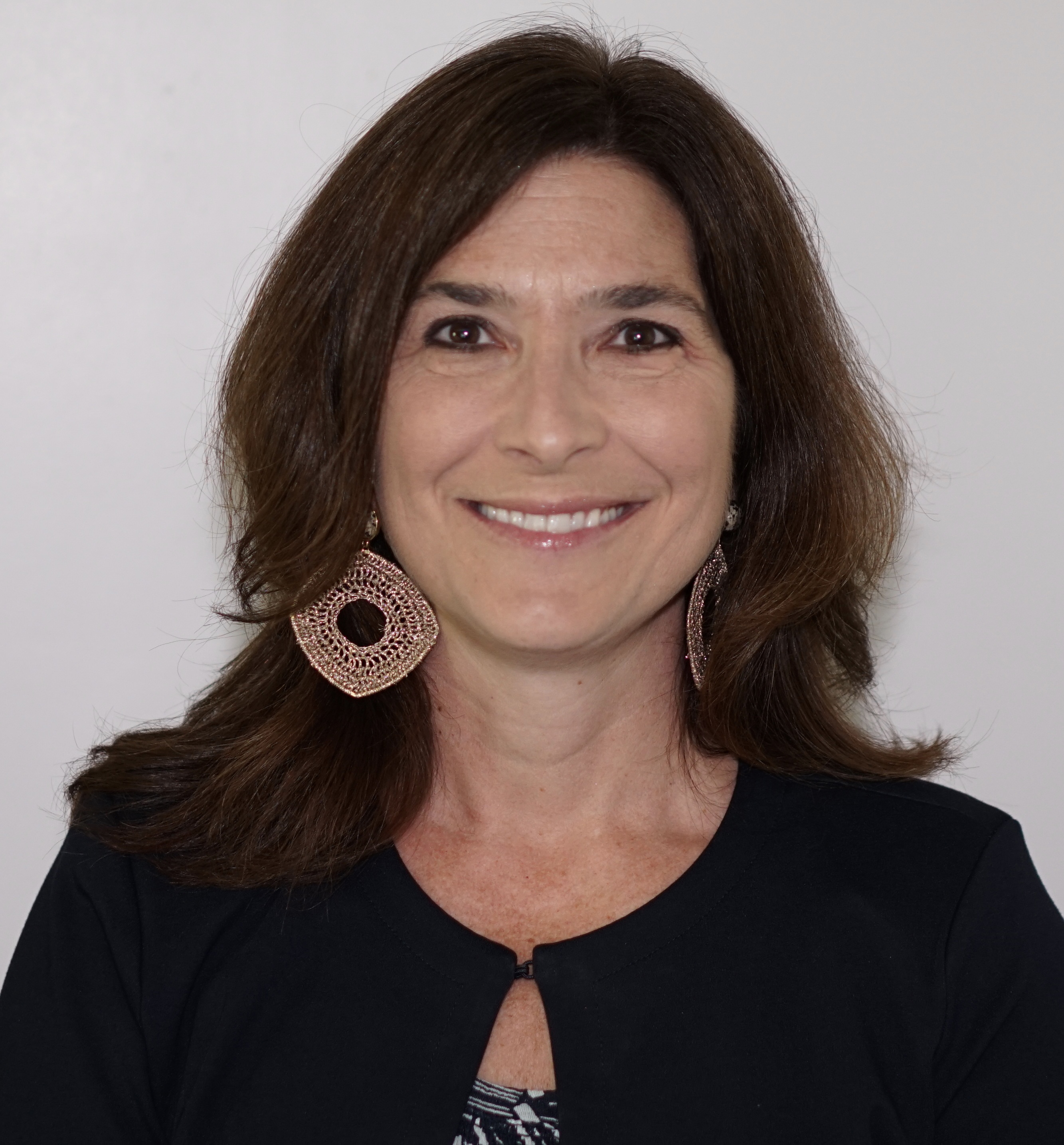 Kristin works as a Manager within the Center for Inclusion Health at AHN, supporting various programs with CIH and has been with the network since 2020. Kristin spent 10 years at the University of Pittsburgh where her most recent role was Director of Recruitment and Engagement in the Clinical and Translational Science Institute.
Hilary Starcher-O’Toole is the Assistant Director of Crisis Center North. She manages a team of dynamic advocates and provides leadership in programming, which consists of medical advocacy, counseling, legal, prevention education and case management services. Her background includes a Master of Science in Education, and a Bachelor of Arts in Communications from Penn State University, where she has also been teaching for seven years. Before joining the domestic violence movement, she worked in finance in Portland, Oregon and Dublin, Ireland and loves to go back and visit whenever possible. Her passion is her family and travel. Hilary is thrilled to be working to increase awareness about domestic violence services in the city of Pittsburgh.
In 1978, 13 women joined forces and devoted their time, effort, and resources to establish the North Hills Women’s Center (NHWC). Equipped with a budget of just $13.78, NHWC developed a specialized program of intervention, support, and educational services for victims of domestic violence in the northern and western regions of Allegheny County. In November of 1982, NHWC incorporated as Crisis Center North (CCN). In 1983, CCN became a program member of the Pennsylvania Coalition Against Domestic Violence (PCADV).
In 2021, CCN became a $2 million+ nonprofit organization, continuing to provide direction to victims of domestic violence and working toward ending the cycle of violence within our community. Services include counseling, legal advocacy, referral services, medical advocacy, economic empowerment, family and friend services, and pet support.
The AHN Center for Inclusion Health has programs that address the obstacles that make it hard for people to access care, helping to improve people’s health while reducing costs. Program areas include addiction medicine, food insecurity, homeless health care, immigrant and refugee health, the Positive Health Clinic, and transgender health care. You can learn more about the center and its programs through feature articles in this magazine, and by visiting ahn.org/services/medicine/center-for-inclusion-health.



Highmark Health and its subsidiaries and affiliates comprise a national blended health organization that employs more than 42,000 people and serves millions of Americans across the country.
Entire contents © Highmark Health. All Rights Reserved.
Highmark Health is an independent licensee of the Blue Cross Blue Shield Association.

 Need to find info about providers, prescriptions, coverage, claims, ID cards, or health spending or savings accounts? If so, your Highmark member site is the place to go. (It’s separate from this blog.)