

 Share This
I’m going to date myself. I had an Atari 2600 when I was a kid, and, as much fun as it was to play Pitfall, I spent the greater part of my childhood outside. I am fairly certain this was to keep my mother’s sanity intact, but in retrospect it was also good for my health.
Children today are much more inactive than when I was young. Sadly, the U.S. leads the world in childhood obesity rates. A study from the Physical Activity Council indicates that inactivity rates are flattening out, but there are still more than 80 million Americans, many of them children, that live totally sedentary lifestyles.
Children and adolescents ages 6 to 17 should engage in 60 minutes or more of physical activity each day, including muscle-strengthening activities (like climbing) and bone-strengthening activities (like jumping). There is not a specific recommendation for younger children (ages 2 to 5), but they should play actively several times each day.
Children and adolescents are often active in short bursts of time rather than for sustained periods of time, but that’s okay. Short bursts can add up — and meet physical activity needs. Physical activities for children and adolescents should be developmentally appropriate and fun, and offer variety.

Exercise is important for your entire family — it can increase life expectancy, lower heart risks, help control weight and improve kids’ school performance. It can also decrease the risk that a child will be inactive as an adult.
When exercise feels like play, the whole family will enjoy it more and be more likely to stick with it. Making family activities and fitness a part of a child’s life at an early age can go a long way toward helping them form healthy habits for life.
Below, the experts from Highmark’s Health Promotion/Wellness Team offer some fun and easy ideas to help you get children moving, whether you’re a parent, grandparent, aunt/uncle, or babysitter, or have another connection to special kids in your life.
Set aside 30 minutes three times a week to do fun exercises with kids. If you make it a part of your after-school or after-dinner routine, you’ll remember to do it every day.
Be sure to pick age-appropriate activities. Young kids might enjoy hopscotch or hide-and-seek, while older children may enjoy kicking a soccer ball around or throwing a baseball.
If you live in an area with sidewalks and bike lanes, use them! With your children, walk or bike to the grocery store, library or school and sports events, or even take a 30-minute family walk after dinner.
Try tracking your steps or mileage with a pedometer and work to increase your distance each week. To make it more fun for the kids, create a family exercise log and use colorful stickers to track progress.
When getting together with relatives, serve up fitness at parties by planning active games such as badminton or relay races. These activities encourage some friendly competition while bringing family members together as a team.
At holiday gatherings, turn off the TV and take a walk. In the winter you can enjoy the light displays in your neighborhood. When the weather is warmer, consider getting together at a local park with a playground or hiking trails.
make them fun. Play music as you clean and take turns choosing favorite songs that keep you moving. Younger children can pick up toys or sweep floors while dancing with the broom. Older kids can dust, vacuum and help make beds.
Preparing healthy meals as a family can get everyone moving. Younger children can help wash produce and older kids can hand-stir foods and help with cooking. Setting the table one piece at a time, going back and forth to the kitchen for each one, can add extra steps to your day.
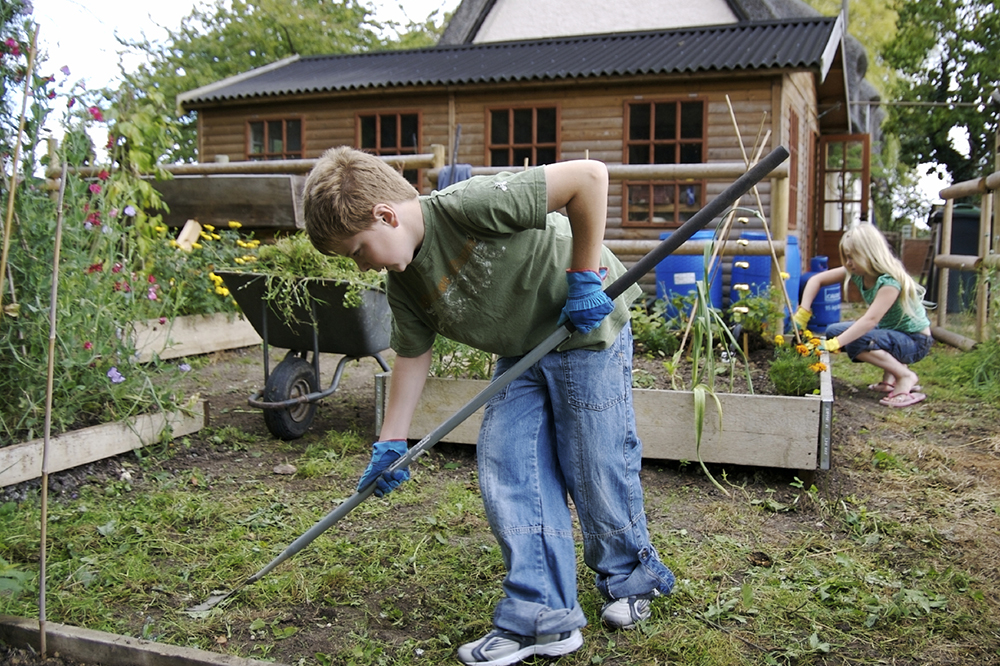
Enjoy seasonal yard work together. Plant a garden in the spring, and rake leaves into a pile and then jump in during the fall. Snow shoveling is a vigorous activity that can be made more fun by building a snow fort or creating a family of snowmen.



Highmark Health and its subsidiaries and affiliates comprise a national blended health organization that employs more than 42,000 people and serves millions of Americans across the country.
Entire contents © Highmark Health. All Rights Reserved.
Highmark Health is an independent licensee of the Blue Cross Blue Shield Association.

 Need to find info about providers, prescriptions, coverage, claims, ID cards, or health spending or savings accounts? If so, your Highmark member site is the place to go. (It’s separate from this blog.)