

 Share This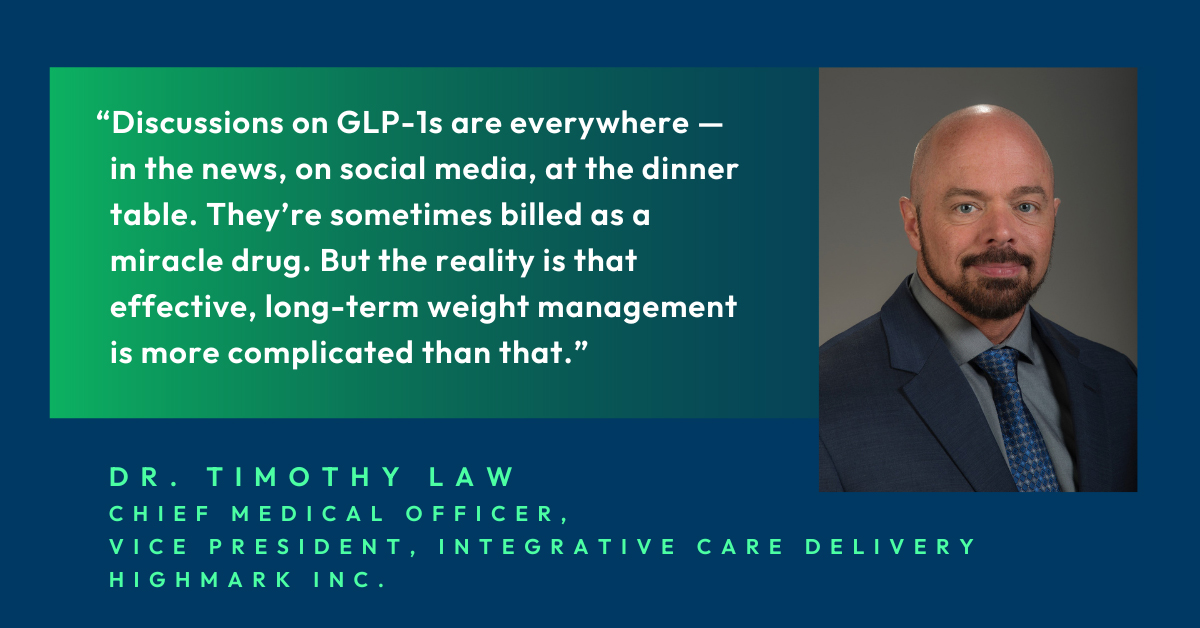
Obesity is one of America's most daunting public health challenges. It's a complex condition that involves everything from our food choices and physical activity to family history to the conditions in which we are born, grow up, live, work and age. Being obese can increase a person's risk factors for serious health issues like high blood pressure, heart disease, diabetes and cancer. And it's a growing problem, with more than 40% of U.S. adults having obesity, according to the Centers for Disease Control and Prevention. Twenty years ago, about 30% of U.S. adults were obese.
It's no wonder, then, that Americans are searching for effective weight management solutions. Nearly half of U.S. adults are interested in taking a weight loss drug, according to the Kaiser Family Foundation. A new class of weight loss medications — called glucagon-like peptide-1 (GLP-1) receptor agonists — holds promise. These medications, which were initially developed to treat diabetes, mimic a hormone that makes us feel fuller and eat less.
Discussions on GLP-1s are everywhere — in the news, on social media, at the dinner table. They're sometimes billed as a miracle drug. But the reality is that effective, long-term weight management is more complicated than that.
If people take a prescription medication, we want it to be safe and effective. When it comes to weight loss drugs, a significant portion of patients do not remain on the medications long enough to realize the hoped-for health benefits.
For example, a May 2024 issue brief released by Blue Health Intelligence (BHI) for the Blue Cross Blue Shield Association evaluated members with employer-based Blue Cross Blue Shield health insurance coverage and found that about 60% of those taking GLP-1 medications for weight loss discontinued use before seeing a clinical benefit. The study followed nearly 170,000 members over the span of a decade.
There are serious issues with patients discontinuing treatment due to side effects like gastrointestinal problems. During the first four weeks of treatment, when patients are gradually having their medication dosage increased, the BHI report noted that more than 30% stopped taking the drug altogether. There are also supply shortages of these medications, which has at times made them difficult to find for patients prescribed GLP-1s for diabetes.
At Highmark, we view weight loss medications, including GLP-1s, as part of a multi-faceted weight management program. A health plan member's chances of successfully managing weight are greatly improved when paired with lifestyle changes such as diet and exercise and side-effect management from a health care provider with expertise in managing patients with obesity. Highmark members have access to a variety of weight management and health improvement benefits, including nutrition counseling, fitness programs and personalized health coaching.
Like health insurers across the U.S., we regularly evaluate our prescription medication policies, including for weight loss medications. Our coverage policies are consistent with medical policy, state and federal mandates, and the evolving research on the effectiveness and safety of weight loss medications, including GLP-1s. We will continue to follow the clinical and real-world outcomes on weight loss medications and other interventions to provide our members with effective, safe and sustainable weight management solutions.
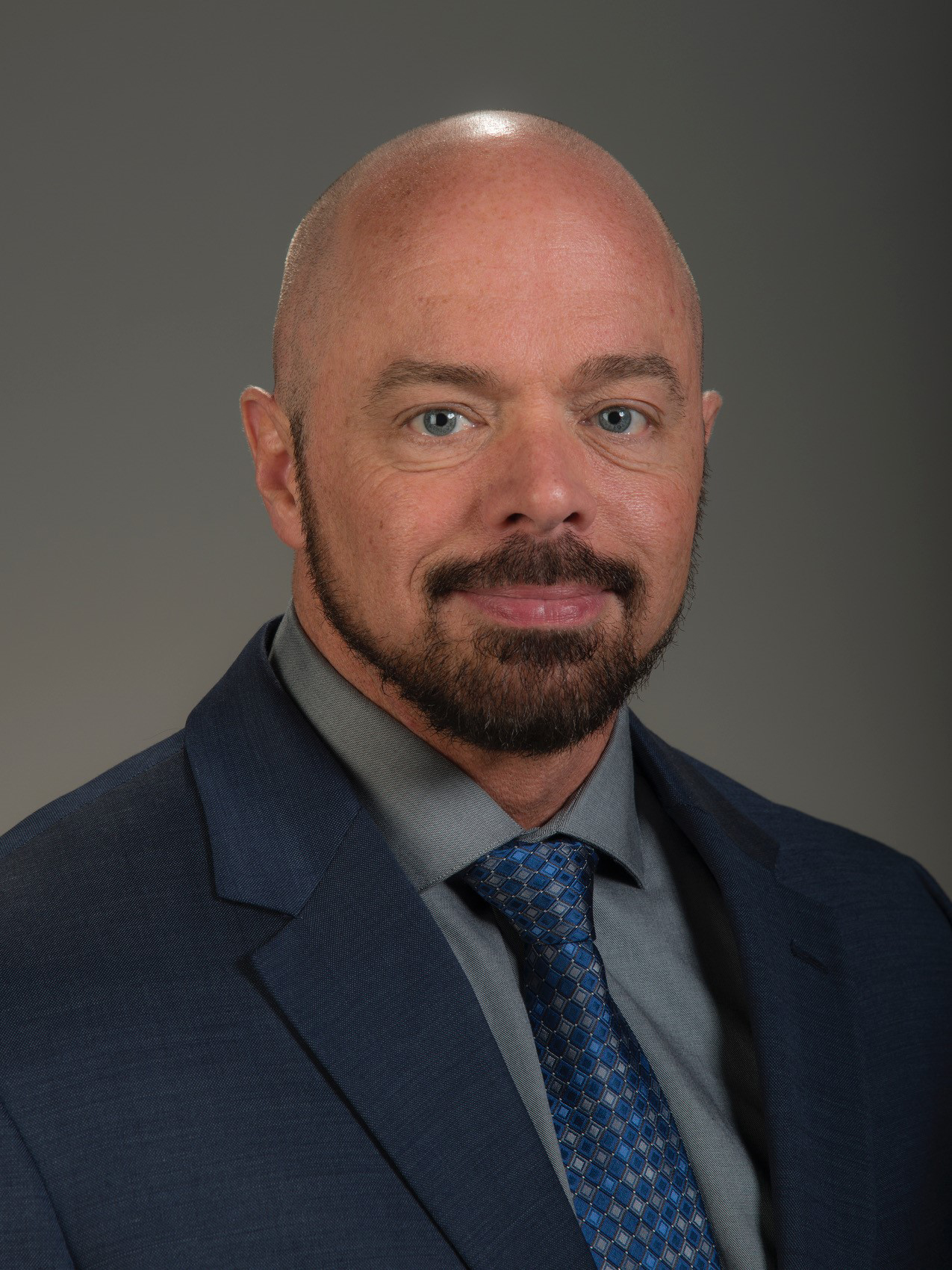 Timothy Law, DO, MBA, is chief medical officer, and vice president, Integrative Care Delivery, at Highmark Inc. Dr. Law leads efforts on utilization management transformation, Living Health Solutions collaborations to include population health, clinical quality, gold carding to include prior authorization, Federal Employee Program and True Performance value-based reimbursement.
He joined Highmark as a senior medical director leading the Medical Policy Team, where he drove completion of Highmark’s Coverage with Evidence policy to allow better access to new technology for strategic partners and members. He now leads the entire Chief Medical Office including medical director, medical review, medical policy, quality, gold carding, and appropriates of care teams.
Dr. Law was the virtual health lead on Highmark’s Covid-19 Command Center team and led the team in the organization of adding over 1,000 codes for inclusion in the coverage policy during the pandemic, helping to bring virtual care to patients during a pandemic.
A board-certified physician with two decades of clinical experience, Dr. Law serves as the Medical Director and Principal Investigator of the Ohio Musculoskeletal and Neurological Institute (OMNI) at Ohio University with millions of dollars in NIH grant funded research in healthy aging and wellness.
Dr. Law is in active clinical practice as a rural family doctor in central Kentucky. He uses virtual health and house calls to perform full-service family medicine, including obstetrics and minor orthopedic and dermatologic surgeries.
Dr. Law earned his medical degree from Ohio University Heritage College of Osteopathic Medicine, and an MBA in Health Care Management from Indiana Wesleyan University. He completed family medicine residency at Ireland Army Community Hospital, Fort Knox, Kentucky.



Highmark Health and its subsidiaries and affiliates comprise a national blended health organization that employs more than 42,000 people and serves millions of Americans across the country.
Entire contents © Highmark Health. All Rights Reserved.
Highmark Health is an independent licensee of the Blue Cross Blue Shield Association.

 Need to find info about providers, prescriptions, coverage, claims, ID cards, or health spending or savings accounts? If so, your Highmark member site is the place to go. (It’s separate from this blog.)