

 Share This
In our Ask a Doc series, we sit down with physicians and other clinical experts, including those at Allegheny Health Network (AHN), for a chat on an important health topic. In this interview, Dr. David Bartlett, chair of the AHN Cancer Institute and renowned surgical oncologist and researcher, talks about helping people faced with difficult cancers.
Dr. David Bartlett has been called a "visionary" and a "pioneer" for his work in treating cancer. The renowned surgical oncologist and researcher, and chair of the Allegheny Health Network (AHN) Cancer Institute, has played a major role in refining the hyperthermic intraperitoneal chemoperfusion (HIPEC) procedure — involving the removal of tumors and treatment of the abdominal cavity with chemotherapy circulating through a heat exchanger. He also continues to be a leading researcher in using viruses to fight cancer. Innovations like these are extending the lives of people with difficult cancers, sometimes for many years beyond what was once expected.
Dr. Bartlett's clinical reputation and areas of specialization, including peritoneal metastases from colon, ovarian, appendiceal, and gastric cancers, mean that many patients come to him after other treatments failed. They may feel like they've run out of hope. These situations require compassion, care, and communication skills just as exceptional as the qualities that distinguish Dr. Bartlett as a surgeon and researcher. In this interview, we talk specifically about that facet of his work.
Emily Adamek: We talked last year about some of your research work. Can you start by briefly explaining the connection between your specialties as a clinician and your research focus?
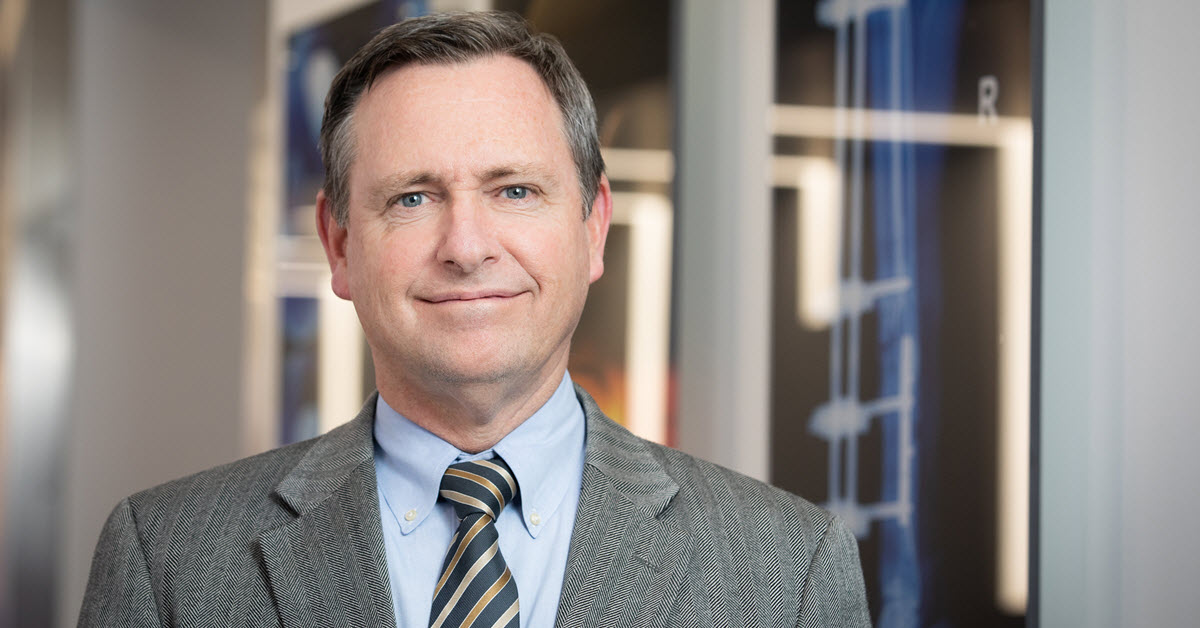
Dr. David Bartlett, chair, AHN Cancer Institute
Dr. David Bartlett: I deal frequently with metastatic cancers, specifically metastatic abdominal tumors. My research laboratory has been focused on treating those tumors using the novel vaccinia virus, oncolytic viruses, and immunotherapy approaches.
Emily Adamek: I know patients come to you from around the U.S. and even from other countries. How do they generally find you?
Dr. David Bartlett: There are a variety of ways that patients find us. Because we present and publish a lot of papers, physicians from all over the world know our work, and they refer to us. But many of our referrals are patient to patient. I think good care, good feedback, and good discussion are what makes people feel comfortable enough to refer someone else to us.
There are also support websites and advocacy sites where patients can chat about their care and share information and resources. Some patients in our more difficult cases were told they had no options left and found us on the Internet as a sort of last hope.
Emily Adamek: How do you approach the difficult conversations you have to have with patients who are in these situations?
Dr. David Bartlett: The most important thing is to listen. You have to know the patient — where they're at and what their expectations are. Some patients, even relatively early in their disease, don't want to deal with the investigational options. They feel like they've lived their life and don't want to go through more treatments. Others have gone through every imaginable treatment but are just not ready to let go. They're fighting for any level of hope. So the conversation will be different depending on where someone is, and it's never helpful to insist on having a discussion that someone doesn't want to have or just isn't able to handle at that moment.
With any patient, you have to remember that you haven't lived in their shoes and don't know everything they've been through. So everything has to start with listening, empathizing, and trying to understand what they want.
Emily Adamek: For good reason, cancer research and new treatments get a lot of media attention; however, that can also create a hope versus hype dynamic. Have you had to deal with the repercussions of that?
Dr. David Bartlett: Yes, that is something we deal with one way or another almost daily.
Everyone has hope to begin with, but at some point, that transitions to a more realistic look at what is in front of them. That's certainly the case for patients who have incurable cancers. Nobody starts out believing that they have incurable cancer. They believe there is a chance — and there always is, which I tell them. But as the reality sets in, it is easy to lose hope.
Many people, myself included, need hope to live a happy life. None of us are immortal, we know we're not going to live forever, but normally we don't think much about it. Cancer patients have to think about it, and it can get overwhelming. Providing hope can be part of improving quality of life for them, which, in turn, can impact their ability to undergo treatment and stay healthy longer. To your point about "hype," we never want to provide false hope. But we want to do what we can to support a good attitude that is both hopeful and realistic.
I usually present the situation like this: "You have a tough problem that most people don't beat. But there is always hope, and we see things happen that we don't expect. Here's how we're going to move forward."
Part of our approach at AHN is also going beyond expert treatment, and really focusing on an individual's overall well-being. When it comes to hope and how a patient feels, interactions with a cancer nurse navigator, or a therapist, or other empathetic caregivers may be just as important as what they talk about with treatment specialists.
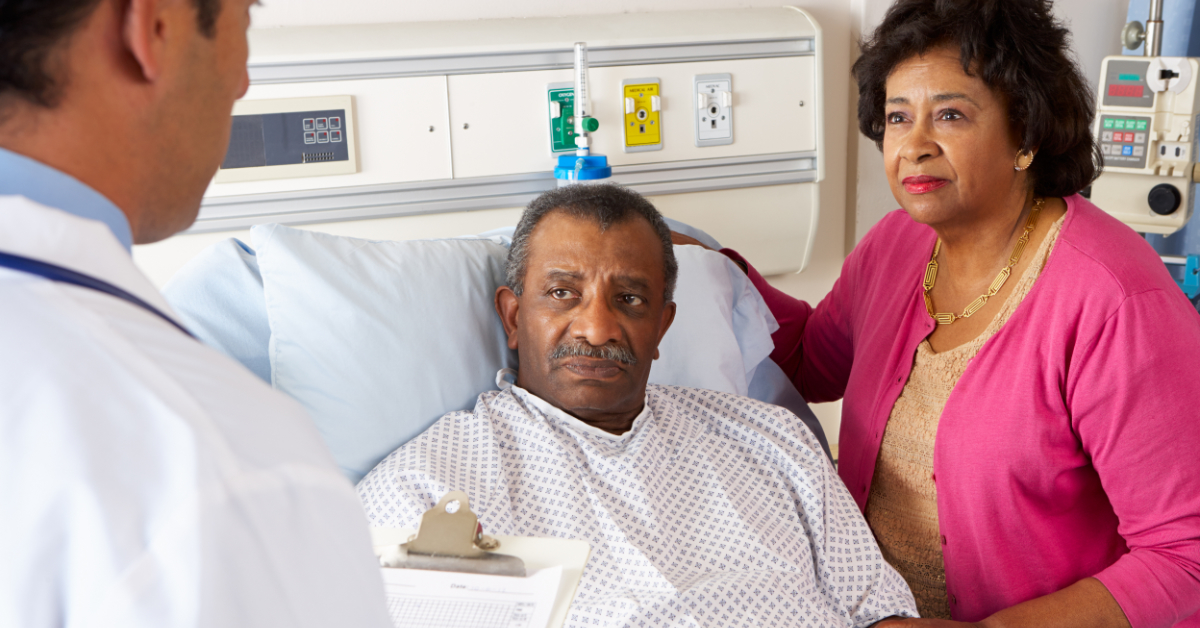
At AHN, innovative treatment options for people with difficult cancers are backed by an empathetic care team focused on an individual's overall well-being.
Emily Adamek: What advances do you feel most confident about in terms of providing hope for cancer patients in the years to come?
Dr. David Bartlett: It's exciting to look at the number of new drugs that are being approved annually for cancer compared to what we had 10 years ago. There are so many, with different mechanisms of action — brand new drugs targeting specific aspects of cancer, boosting the immune system to fight cancer, minimizing side-effects, and more.
The number of new treatments available parallel the fact that patients are living longer with cancer than ever before. Going back to why there is always hope, when we see someone who is newly diagnosed with cancer right now, we have to remember that by the time their cancer gets to a stage where we have run out of options, there is a good chance that new options will be available.
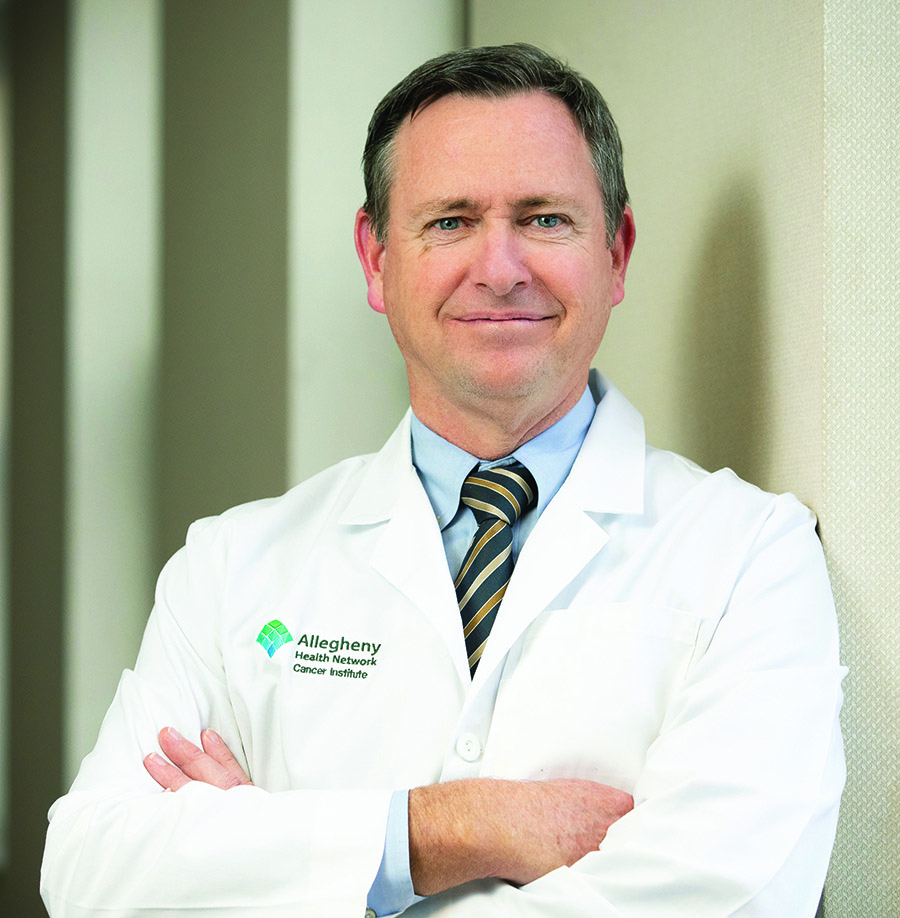 Dr. David Bartlett is chair of AHN Cancer Institute and president of AHN Research Institute. An internationally recognized cancer surgeon, he is a pioneer in abdominal cancer treatment and a dedicated, prolific researcher. He is past president of the Society of Surgical Oncology.
He served as a senior investigator in the surgery division of the Center for Cancer Research at the National Cancer Institute, where he developed innovative surgical techniques to treat patients with abdominal and liver cancers and performed cutting-edge laboratory research in viral-based immune therapies.
Dr. Bartlett received his medical degree from the University of Texas Medical School at Houston and completed his surgical residency at the Hospital of the University of Pennsylvania in Philadelphia, Pennsylvania.
He continued his training with a Fellowship in surgical oncology at Memorial Sloan Kettering Cancer Center in New York City. He completed research fellowships at M.D. Anderson Hospital in Houston, Texas, and the Hospital of the University of Pennsylvania.
Board-certified by the American Board of Surgeons, Dr. Bartlett holds membership in several professional surgical and oncology societies. He received many academic honors during his career and has been chosen as one of Pittsburgh’s Best Doctors every year since 2006.
He has published over 300 research papers in medical journals and has contributed chapters to more than 40 publications. In addition, he lectures widely at national and international meetings and conferences.



Highmark Health and its subsidiaries and affiliates comprise a national blended health organization that employs more than 42,000 people and serves millions of Americans across the country.
Entire contents © Highmark Health. All Rights Reserved.
Highmark Health is an independent licensee of the Blue Cross Blue Shield Association.
 Need to find info about providers, prescriptions, coverage, claims, ID cards, or health spending or savings accounts? If so, your Highmark member site is the place to go. (It’s separate from this blog.)