

 Share This
The Together for Health series spotlights community-based and social service organizations that are creating environments to support whole health — physically, mentally and socially.

Organizations focused on improving health and well-being in their communities need a strong social determinants of health strategy that combines community investment and a boots-on-the-ground mentality to address disparities and obstacles. A good example: a $100,000 grant to Project Stork, Inc. through the Highmark Blue Cross Blue Shield of Western New York Blue Fund.
Project Stork is a grassroots organization dedicated to addressing the basic needs of infants and toddlers, along with the mental health and wellness of mothers. Supporting their efforts is just part of the Blue Fund’s increased focus on the maternal health disparities that contribute to the U.S. having higher maternal mortality and infant mortality rates than most other industrialized countries.
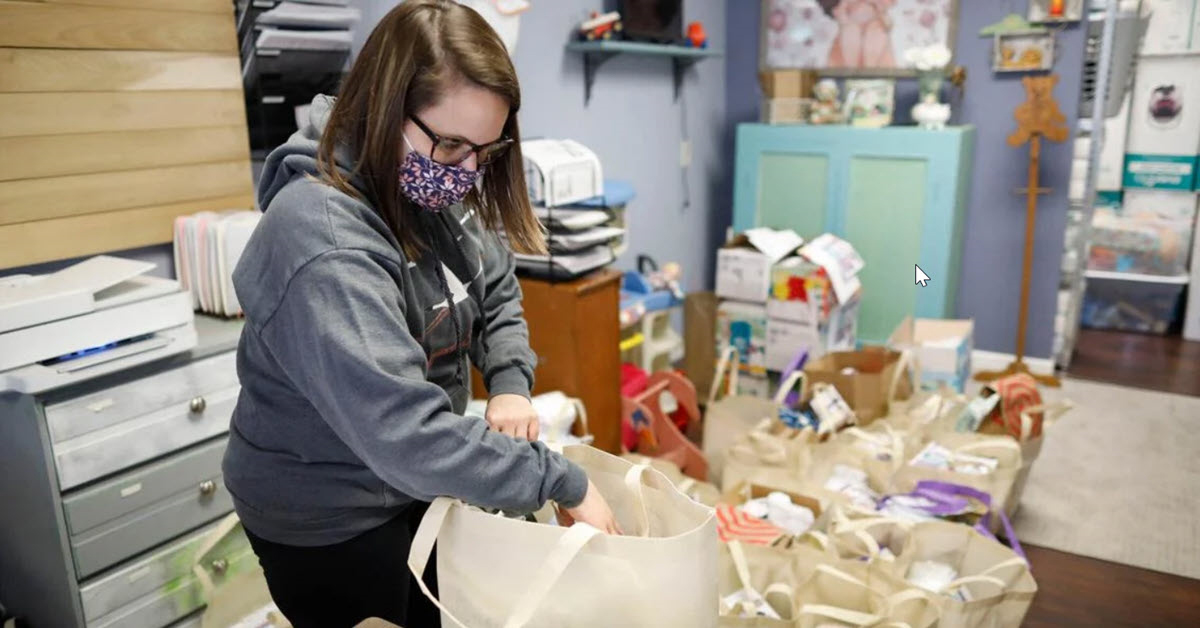
Jenny Staebell, director and founder of Project Stork, packs bags to help mothers and their children.
Jenny Staebell, director and founder of Project Stork, explains that the organization’s roots are in her love for mothers and babies and a personal connection to the struggles of early motherhood.
“In the beginning, Project Stork was designed to help teen moms,” she says. “I was a young mom myself — I had my daughter when I was 19 — and I remember the struggles of those early days.”
She points out that Orleans and Genesee Counties have high poverty rates as well as high teen pregnancy rates. With a master’s degree in Education and a bachelor’s degree in Health Education, she saw an opportunity to help. She began by working to educate teens in those communities about pregnancy prevention and to provide resources to young parents. From the outset, Project Stork offered parenting classes, and met with young parents regularly to discuss finances, career goals, and education to help them navigate through a new and daunting chapter in their lives.
Filling this gap of support for young moms in her community was just the first step. As with many organizations, the pandemic reshaped the mission.
“When COVID-19 hit, and more moms started needing our support, we started to get more attention, not only from foundations and grant makers, but also from the community,” Staebell explains. Confined to her house and working from a corner of her dining room, she began fully dedicating her time to researching the issues affecting maternal health in her communities, and figuring out where support and education could make a difference.
As a result, Project Stork developed one of its greatest strengths: agility in addressing a wide range of needs. Project Stork expanded to support moms of all ages with diapers, baby formula, holiday gifts, and more. These supportive connections, and the response Staebell saw, also laid the foundation for one of Project Stork’s most impactful new efforts: the Happy Moms, Healthy Babies program.

Project Stork got its start in Jenny Staebell’s home office.
Dedicated to “breaking barriers to prenatal care and providing social support to the moms that need it most,” Happy Moms, Healthy Babies works to address maternal mental health by providing connections that are crucial in ensuring that mothers know what help is available to them — and also feel seen, heard and valued enough to ask for help. Blue Fund support has allowed the program the flexibility to fund transportation, screening tools, and case managers to provide mothers with personalized outreach and assistance.
Happy Moms, Healthy Babies begins with a screening process that identifies each woman’s unique needs and obstacles. With Project Stork information readily available in area hospitals and obstetric/gynecology offices, moms can self-identify and enroll themselves, and friends and family can also connect someone with the program.
The screening works to detect depression and the risk of depression in pregnant and postpartum women, and signals gaps in a mom’s support system. These gaps are often related to social determinants of health, such as lack of transportation to doctor appointments or inability to afford the cost of diapers and formula. The screening helps Project Stork case managers to identify each mom’s needs and provide the necessary support early and often.
Staebell emphasizes that personal connections are integral in destigmatizing the mental health struggles many new mothers experience.
“Breaking the stigma of the struggle allows us to help, and all of our Program Aides are moms within these communities who have struggled as well,” she explains. Receiving help from another mom who has experienced the struggles — big and small — instills trust and intimacy with program participants. That extra comfort means moms are more willing to be open about their needs and difficulties — which means that help can be more effective.
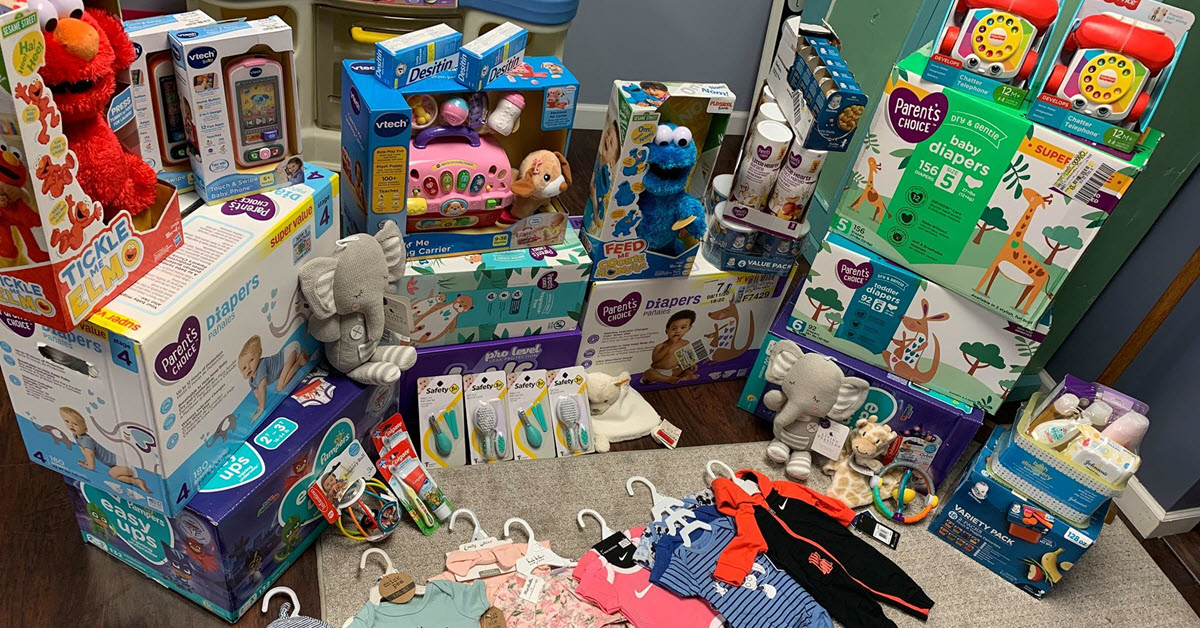
Diapers, toys, clothes, and other donations cover a wide range of needs.
Part of Project Stork’s work is celebrating wins and creating opportunities to spread joy and strength to other moms so that support and improvement are truly collaborative community efforts.
“In my mind, a mark of true success is when moms acknowledge what this kind of help has done for them, feel empowered, and choose to pay it forward to other moms in need,” says Staebell. An annual “Awesome Mom Award Ceremony” is one way to ensure that moms have opportunities to celebrate their wins and acknowledge how far they have come. It encourages moms to spend time reflecting on their successes over the past year and to connect through the affirmations and realizations they’ve gathered along the way.
“The organization has made me comfortable with asking for help and knowing that I am not alone in my circumstances,” wrote one program mom. “Jenny and her Program Aides have provided so much support for my mental health and well-being — more than she will ever know — simply by helping with supplemental items for my children without judgment or hesitation. This has made me more vocal about the importance of mental health for all the other mothers I know, and I have directed friends and new acquaintances to Project Stork for assistance, in the hopes that they will find the same sense of relief and compassion that I did.”
Another program mom described her greatest accomplishment as “sticking to weekly check-ins with my mental health counselor. I took the Project Stork depression screening and once I realized I had nearly every symptom listed, I felt empowered to spring into action and talk to my doctor. Since beginning therapy and a course of treatment, I have been feeling like a new person. Not only is my quality of life better, but so is my son’s. He deserves to have a happy and healthy mom.”

Project Stork comes through with holiday gifts.
Part of Project Stork’s success is also about connecting moms with additional resources and community partners that extend the program’s reach. From the very outset, Staebell has made it a priority to establish a wide range of connections at the community level so that there is a trusted referral for whatever moms and infants need.
“Building community partners takes a lot of work. You must demonstrate that you are here to stay and are committed to making a long-term impact,” she says. Noting monthly calls and regular participation on the boards, planning committees, and focus groups of community partners, she adds that, “Consistency is key. I am always there, month after month, so rather than needing to re-explain what we do or re-advocate for support, they know we can just get to work and discuss ways we can help.”
For program moms, Project Stork maintains a robust online, media, and social media presence. For example, their Facebook page is peppered with daily affirmations and reminders for moms to check in with themselves and search for daily joys. Frequently shared posts connect with community partners who help with mental health, finding school supplies, and free access to healthy foods. These touches may seem small, but they demonstrate a continued commitment to the holistic well-being of program participants and a keen understanding of the ongoing support necessary to effect real change.
Highmark BCBSWNY Blue Fund’s increased focus on maternal health in 2022 extends the value it saw when it first selected Project Stork as a fund grantee in 2021.
“Blue Fund is proud to support the important work of Project Stork,” says Mike Ball, vice president, Community Affairs, Highmark BCBSWNY. “It has been rewarding for us to see our investment in Project Stork help support its growth as an organization and the huge strides they are making in rural maternal health. This is an important project in our portfolio that perfectly encapsulates many Blue Fund priorities.”
The value of this relationship is just as clear to a grassroots organization that sees sustainability as its biggest obstacle.
“The relationship with the Blue Fund was a huge moment for us,” Staebell explains. “The Blue Fund team came to our little office, and they demonstrated so much excitement and appreciation. Receiving the support of such a large, influential organization was incredibly empowering and validating.”
It also had tangible impact. Among other things, Project Stork used Blue Fund grant money to secure a cargo van, which Staebell dubs “an amazing asset.” The additional transportation resource allowed the organization to expand its reach. Project Stork now provides recurring monthly assistance to 210 families, and approximately 450 infants and toddlers, and the numbers are growing.
“Every day we look to see where we can help, who we can positively impact, and how to get our services into the lives of more families,” Staebell says. With the support of their community partners, Project Stork can focus on the “who and where” rather than the “how.” As a result, she says, “we are thriving and truly making a difference.”
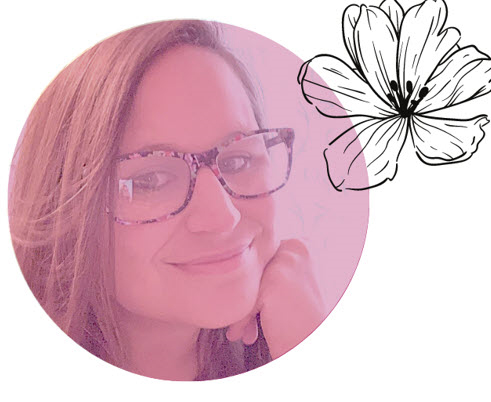 Jenny Staebell is the director and founder of Project Stork, Inc. She is also a certified lactation counselor, birth doula, and childbirth educator, in addition to being certified in perinatal mental health. She graduated SUNY Albany with a master’s degree in Education and also holds a bachelor’s degree in Health Science from SUNY Brockport.
Born in Medina, NY, Jenny spent most of her childhood and adult years as a resident of Albion, NY in Orleans County. After she married in 2010, she and her two oldest children moved to Genesee County.
Jenny understands the financial and emotional strain that motherhood can have on an individual. Having five children herself, the development of Project Stork, Inc. is at her core. She developed an organization and programs that she needed as a low-income, single mom, all the while navigating her pregnancies and postpartum in rural western New York with limited resources and support.
Jenny now lives in Oakfield, New York with her husband, Justin, and their five children: Abigail, Kaitlyn, Nathan, Natalie, and Lauren.
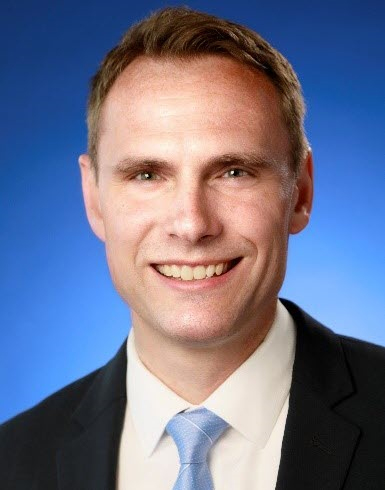 Michael Ball serves as vice president, Community Affairs, Highmark BCBSWNY. In this role, he guides the company’s support of corporate grants, sponsorships, and community programs, services and initiatives aimed at addressing health disparities throughout western and northeastern New York.
Ball stood up Highmark BCBSWNY Blue Fund to award major grants to local organizations and initiatives that enhance behavioral health, cardiovascular health, health care workforce development, and children’s health, and he continues to lead all elements of Blue Fund’s grant-giving process.
Previously, Ball served as regional director of Empire State Development (ESD), New York’s chief economic development agency, as well as executive director of the Western New York Regional Economic Development Council. Prior to joining ESD, Ball was director of planning and implementation and director of Healthy Communities Initiative for Buffalo Niagara Medical Campus, Inc., a consortium of the region's health care, life sciences research, and medical education institutions in downtown Buffalo.
Ball earned a master’s degree in urban planning from the University at Buffalo, and a bachelor’s degree in political science and urban studies from Canisius College.



Highmark Health and its subsidiaries and affiliates comprise a national blended health organization that employs more than 42,000 people and serves millions of Americans across the country.
Entire contents © Highmark Health. All Rights Reserved.
Highmark Health is an independent licensee of the Blue Cross Blue Shield Association.
 Need to find info about providers, prescriptions, coverage, claims, ID cards, or health spending or savings accounts? If so, your Highmark member site is the place to go. (It’s separate from this blog.)